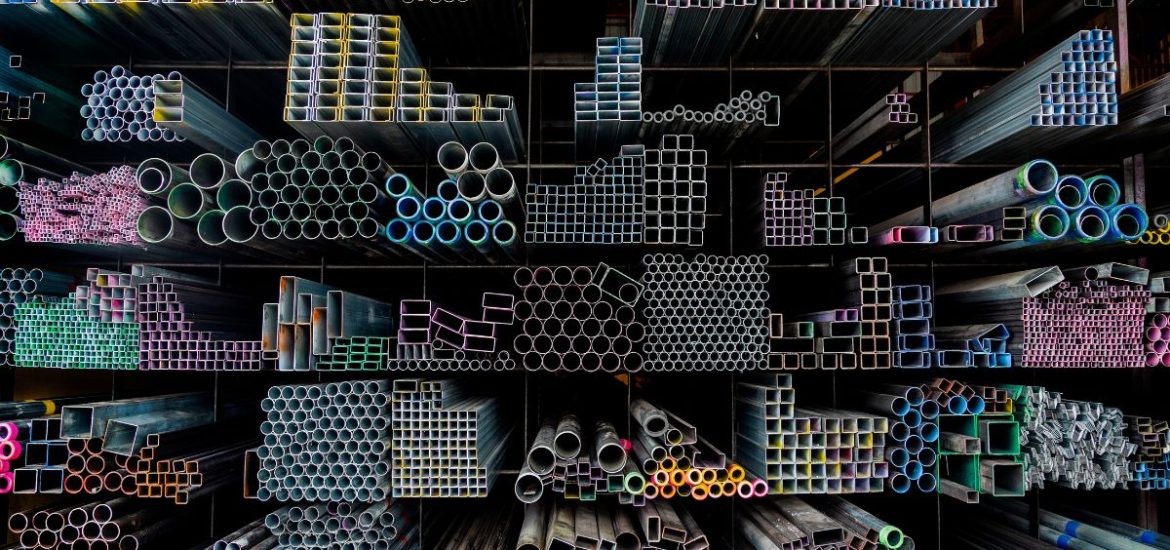
Industrial development continues to play a major role in shaping infrastructure, manufacturing, transportation, and commercial construction across Canada. Behind many of these projects is a strong foundation built on reliable structural materials and precision fabrication.
As industries become more advanced and projects grow increasingly complex, businesses are placing greater importance on suppliers capable of delivering quality materials, technical expertise, and dependable service. Structural steel remains one of the most important components in modern industrial development because of its durability, versatility, and long-term performance.
The Continued Importance of Structural Steel
Steel has remained a core material in construction and manufacturing for decades because it combines strength with adaptability. It is widely used in commercial buildings, industrial facilities, warehouses, agricultural systems, transportation infrastructure, and manufacturing operations.
Among the most commonly used structural materials is hollow structural steel, valued for its balance of strength and efficiency. Working with a trusted HSS Steel Supplier allows contractors, engineers, and manufacturers to access materials designed to support demanding structural applications across multiple industries.
HSS products continue to be essential in projects where durability, load-bearing performance, and clean structural design are priorities.
The Demand for Precision in Modern Fabrication
Today’s industrial and commercial projects require increasingly precise fabrication processes. Structural components must align accurately with engineering plans while maintaining strict quality and safety standards.
Precision fabrication reduces material waste, improves installation efficiency, and supports long-term structural integrity. These factors are especially important as construction and manufacturing projects continue becoming more specialized and technically advanced.
Why Reliability Matters in Industrial Services
Industrial operations often depend on strict timelines and coordinated project management. Delays in material supply or fabrication can create major disruptions throughout construction and manufacturing processes.
This is why businesses increasingly prioritize suppliers with strong reputations for reliability and consistency. Dependable production schedules and clear communication help contractors and engineers maintain smoother workflows and avoid unnecessary delays.
Reliable industrial partners also contribute to stronger long-term business relationships built on trust and operational efficiency.
The Role of Steel in Infrastructure Development
Infrastructure projects rely heavily on structural materials capable of handling demanding environmental and operational conditions over long periods of time.
Steel is widely used in bridges, commercial facilities, industrial plants, transportation systems, and agricultural infrastructure because of its strength and adaptability.
As Canadian cities and industries continue expanding, the demand for high-quality structural steel products and fabrication services will remain essential to long-term development.
Custom Solutions for Specialized Projects
Modern industrial projects often require more than standard materials alone. Unique structural requirements and engineering specifications frequently demand customized fabrication solutions.
Industrial Industrial Services help businesses create tailored structural systems and fabricated components that align with project-specific operational needs.
This flexibility allows industries to solve complex design challenges while maintaining performance, safety, and efficiency standards.
How Technology Is Transforming Manufacturing
Technology continues to reshape industrial manufacturing and fabrication. Automated cutting systems, robotic welding, advanced machinery, and digital production tools are improving both accuracy and efficiency across production facilities.
Modern fabrication environments are increasingly focused on reducing waste, improving turnaround times, and maintaining tighter production tolerances.
Companies that invest in updated technologies are often better equipped to meet evolving project demands and increasingly competitive industry expectations.
The Relationship Between Engineering and Fabrication
Engineering and manufacturing are closely connected throughout industrial development. Structural calculations, technical drawings, and material specifications all influence fabrication and production decisions.
Successful projects depend on strong collaboration between engineers, manufacturers, and suppliers to ensure that materials and fabricated components meet exact project requirements.
This collaboration has become even more important as industrial construction projects continue growing in complexity and scale.
Safety and Long-Term Structural Performance
Safety remains one of the highest priorities within industrial manufacturing and construction. Structural materials must perform reliably under demanding operational conditions while maintaining long-term durability.
Precision fabrication and quality-controlled steel production help improve structural integrity while reducing future maintenance risks.
Attention to manufacturing standards and material quality plays a major role in supporting safer and more dependable infrastructure overall.
The Value of Industry Experience
Industrial manufacturing requires technical knowledge, operational efficiency, and a deep understanding of fabrication and structural systems.
Experienced suppliers understand how to navigate project challenges, engineering requirements, and evolving industry standards more effectively.
Companies like Reliabletube continue supporting industrial sectors through structural steel expertise, fabrication capabilities, and dependable manufacturing solutions designed for modern commercial and industrial applications.
Supporting Canada’s Industrial Future
Steel manufacturing and fabrication remain essential to Canada’s economic growth and infrastructure development. Industries such as transportation, agriculture, construction, and energy continue relying on strong structural materials and dependable industrial services.
As demand for advanced infrastructure and industrial development continues increasing, experienced steel suppliers and fabrication companies will remain important contributors to long-term growth.
The Future of Industrial Manufacturing and Fabrication
The future of manufacturing will continue emphasizing precision, adaptability, and efficiency. As projects become more technically demanding, businesses will increasingly depend on suppliers capable of delivering customized solutions while maintaining high production standards.
Modern industrial services are evolving through technology, automation, and stronger collaboration between engineering and manufacturing teams.
By combining reliable production capabilities with technical expertise and consistent service, steel suppliers and fabrication companies continue helping shape the infrastructure and industrial systems that support modern communities and industries across Canada.